
Maryland debt collection laws offer robust protections for consumers, including stringent anti-spam call provisions, strong penalties for violators, and active enforcement by the Attorney General's Office. These laws, along with federal regulations like the FDCPA, prioritize fairness, transparency, and professional standards. Consumers have rights to verify debt validity, limit calls, and seek legal action against abusive practices, while creditors must adhere to specific rules to avoid legal repercussions and build healthier debtor-creditor relationships. A Spam Call law firm Maryland specializes in these laws, providing guidance for ethical debt collection.
In the intricate landscape of debt collection practices, understanding the interplay between state laws and federal regulations is paramount for both consumers and law firms alike. Maryland, with its unique legal framework, presents an intriguing case study when compared to the Federal Debt Collection Protection Act (FDCPA). This article delves into the nuances of Maryland's debt collection law, specifically addressing spam call laws, and offers a comprehensive analysis alongside practical insights for law firms operating within this jurisdiction. By examining these regulations, we aim to empower both parties to navigate this complex environment effectively.
Understanding Maryland Debt Collection Laws
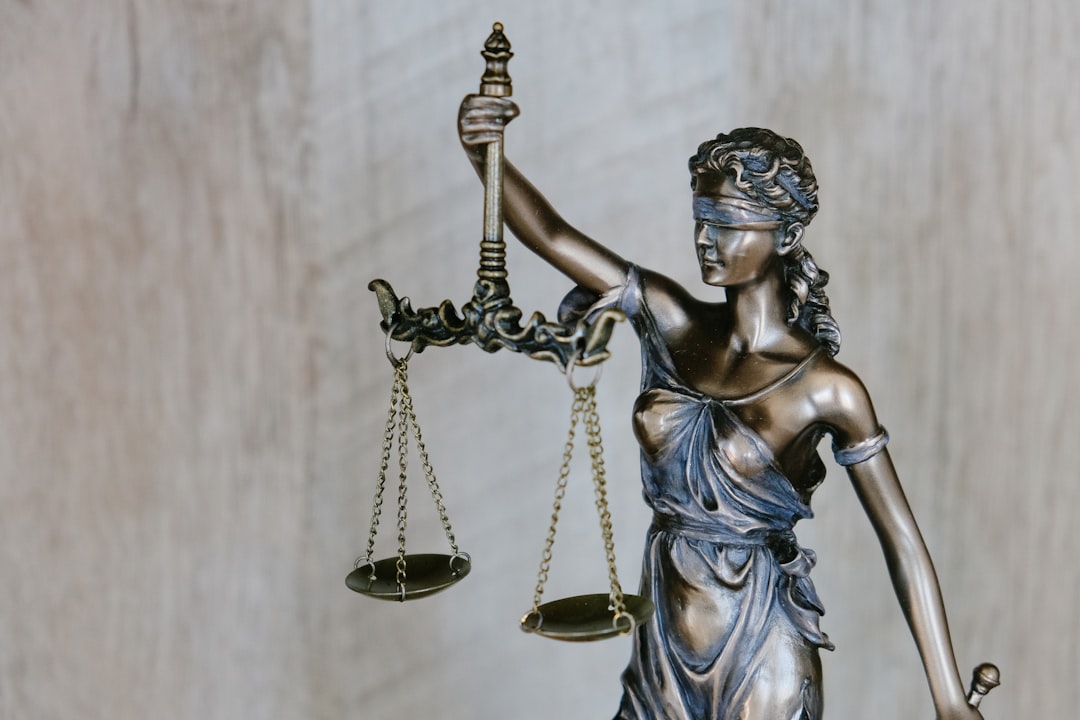
Maryland debt collection laws offer a unique framework for consumers navigating their rights and responsibilities when dealing with creditors or collection agencies. Unlike federal regulations like the Fair Debt Collection Practices Act (FDCPA), these state-level laws delve into specific details, providing borrowers with additional safeguards. One notable aspect is Maryland's stringent provisions against spam call law firms. The state has implemented strict guidelines to protect residents from aggressive and unwanted debt collection tactics, particularly through telephone communications.
For instance, Maryland Code, Commerce and Business Regulation § 13-407 prohibits the use of abusive, false, or deceptive acts in debt collection. This includes making harassing phone calls, using threatening language, or misrepresenting one's identity. A violation of these rules can lead to substantial penalties for collection agencies and law firms. Notably, the Maryland Attorney General's Office actively enforces these regulations, ensuring that consumers' rights are respected. In recent years, numerous actions against debt collection practices have resulted in significant refunds for affected residents, demonstrating the state's commitment to fair debt collection.
Understanding and familiarizing oneself with these laws is crucial for both consumers and businesses. A Spam Call law firm Maryland can offer expert guidance on navigating these regulations, ensuring that debt collection processes remain compliant and ethical. By staying informed about state-specific debt collection laws, individuals can protect themselves from unfair practices and exercise their rights effectively. This proactive approach fosters a more transparent and consumer-friendly environment in the debt collection sector.
Federal FDCPA: A Comprehensive Overview

The Federal Fair Debt Collection Practices Act (FDCPA) is a pivotal piece of legislation designed to protect consumers from aggressive and unfair debt collection tactics. This federal law sets stringent guidelines for debt collectors, ensuring they maintain ethical standards during their interactions with debtors. Unlike state-specific laws, such as Maryland's debt collection regulations, the FDCPA applies universally across the country, making it a comprehensive framework for consumer protection in the realm of debt collection.
One of the key aspects of the FDCPA is its focus on curbing abusive and misleading practices. It prohibits debt collectors from using deceptive or false statements when attempting to collect a debt, including misrepresenting the amount owed or the consequences of non-payment. For instance, a spam call law firm Maryland might employ aggressive tactics like making threatening phone calls, using profane language, or providing incorrect information about legal action—all of which are prohibited under this federal act. The law also restricts collectors from calling consumers at unreasonable times or places, taking into account the debtor's employment status and personal circumstances.
Additionally, the FDCPA mandates that debt collectors obtain valid information about the debt they are attempting to collect. They must verify the debt with the creditor and provide the consumer with validation of the debt in writing upon request. This process ensures transparency and empowers debtors to challenge any inaccuracies. Debtors have the right to dispute the debt, request verification, and even place a credit freeze on their reports if they believe the collection efforts are mistaken or unfair. By adhering to these guidelines, debt collectors can maintain professional standards while effectively managing collections, fostering trust with consumers.
Comparing Legal Protections for Debtors
In Maryland, debt collection laws are designed to balance the interests of creditors and debtors, providing certain protections for individuals facing financial difficulties. One key aspect is the emphasis on fair and transparent practices, especially regarding communication methods such as spam call law firm Maryland regulations. Unlike some states, Maryland does not have a specific state-level debt collection act, relying instead on federal laws like the Fair Debt Collection Practices Act (FDCPA) and common law principles. This creates an environment where debtors enjoy robust legal protections, ensuring they are treated fairly during collection efforts.
When compared to the FDCPA, Maryland's approach offers additional safeguards for consumers. For instance, while the federal law prohibits abusive, threatening, or oppressive conduct, Maryland law goes further by explicitly forbidding debt collectors from using false or misleading statements, engaging in harassment, or employing unfair practices such as excessive phone calls or repeated mailings (a key aspect of spam call law firm Maryland oversight). Debtors in Maryland also benefit from a more explicit right to verify the validity of debts and request validation from collectors. This dual protection—both state and federal—enables consumers to assert their rights effectively against aggressive collection tactics, including what might be considered nuisance calls under spam call law firm Maryland guidelines.
Practical insights for debtors facing debt collection in Maryland include understanding their rights under both state and federal laws. Keeping detailed records of communications with collectors, including dates, times, and content, can serve as valuable evidence if a violation occurs. Moreover, consumers should not hesitate to seek legal counsel from reputable spam call law firm Maryland specialists who can guide them through the complexities and ensure their rights are protected. By staying informed about their protections and actively asserting these rights, debtors can navigate debt collection processes more confidently, knowing they have robust legal backing.
Spam Call Law Firm Maryland: Your Rights

In Maryland, debt collection practices are governed by both state laws and federal regulations, with a specific focus on the prevention of harassing or abusive tactics, including spam call law firm Maryland operations. The Fair Debt Collection Practices Act (FDCPA), a federal statute, sets forth guidelines designed to protect consumers from unfair or deceptive methods used by debt collectors. This legislation restricts the time, place, and manner of collector contacts, mandating that they refrain from calling at unreasonable times or using false or misleading representations.
Maryland has further strengthened consumer protection through its own debt collection laws, offering additional safeguards for residents. For instance, state law limits the number of calls a debt collector can make in a day and requires them to cease contacting a consumer once it becomes clear that the person cannot or does not intend to pay the debt. This duality of regulations presents an interesting dynamic, as collectors must adhere to both federal FDCPA standards and Maryland-specific provisions, ensuring compliance across jurisdictions.
When dealing with a potential violation, such as spam call law firm Maryland instances, consumers have rights. They can file a complaint with the Federal Trade Commission (FTC) or take legal action against the offending collector. It's crucial for affected individuals to document interactions, including date, time, and content of communications, as this evidence can be invaluable in resolving disputes. By understanding their rights under both state and federal laws, consumers can navigate debt collection issues more effectively, ensuring fair treatment throughout the process.
Navigating Enforcement and Liability Limits
Navigating Enforcement and Liability Limits in Maryland Debt Collection Law versus Federal FDCPA presents unique challenges for both debtors and creditors. While the Fair Debt Collection Practices Act (FDCPA) offers robust protections for consumers at the federal level, state laws like Maryland's debt collection regulations fill specific gaps, offering additional safeguards for debtors. One notable area of divergence is the enforcement mechanism and liability limits, which significantly impact how debt collection activities are conducted in Maryland.
In Maryland, debt collectors must comply with both state and federal laws, including the Spam Call law firm Maryland has implemented to combat aggressive or abusive practices. The state's law caps the number of phone calls a collector can make to a debtor within a certain period, setting clear boundaries on harassment. This is in contrast to the FDCPA's general absence of specific call frequency restrictions, leaving room for interpretation and potential overreach by debt collectors. Moreover, Maryland allows debtors to seek damages for violations of its collection laws, providing a legal recourse where federal law may be silent or less stringent.
Practical insights for debtors include staying informed about their rights under both state and federal laws. If a debt collector in Maryland violates the state's call frequency rules or engages in other prohibited practices, individuals can file complaints with both the Maryland Attorney General's Office and the Federal Trade Commission (FTC). This dual enforcement mechanism offers additional protection and ensures accountability. For creditors, adhering to the Maryland debt collection law not only avoids legal repercussions but also fosters a more positive debtor-creditor relationship, ultimately enhancing collection effectiveness.