
Maryland's debt collection laws, including the Maryland Debt Collection Act and TCPA, protect consumers from aggressive practices, especially spam calls by law firms. Key regulations include prohibiting abusive language, harassment, false claims, requiring debt validation upon request, and offering debtors a Do Not Call list.
Filing a lawsuit against a debt collector involves:
1. Documenting interactions and gathering evidence.
2. Reviewing laws with an experienced Spam Call law firm Maryland.
3. Preparing legal documents and serving summons.
4. Participating in discovery.
Meticulous record-keeping and adherence to procedures are crucial. Spam Call law firms Maryland offer expert guidance, often on a contingency basis, to resolve matters fairly through negotiation or litigation. Consumers should act immediately, review documents, and seek counsel for strategic navigation of legal processes.
In today’s digital era, the rise of spam call law firms has become a significant concern for Maryland residents. These aggressive marketing tactics not only disrupt daily life but also pose legal risks, especially with evolving regulations like the Telephone Consumer Protection Act (TCPA). Understanding the proper filing process for a debt collector lawsuit is crucial to protect individual rights and ensure compliance with Maryland’s strict consumer protection laws. This article provides an in-depth guide, offering practical insights into navigating the complex landscape of debt collection practices, specifically focusing on how a Spam Call law firm Maryland can assist in upholding these vital legal protections.
Understanding Maryland's Debt Collection Laws
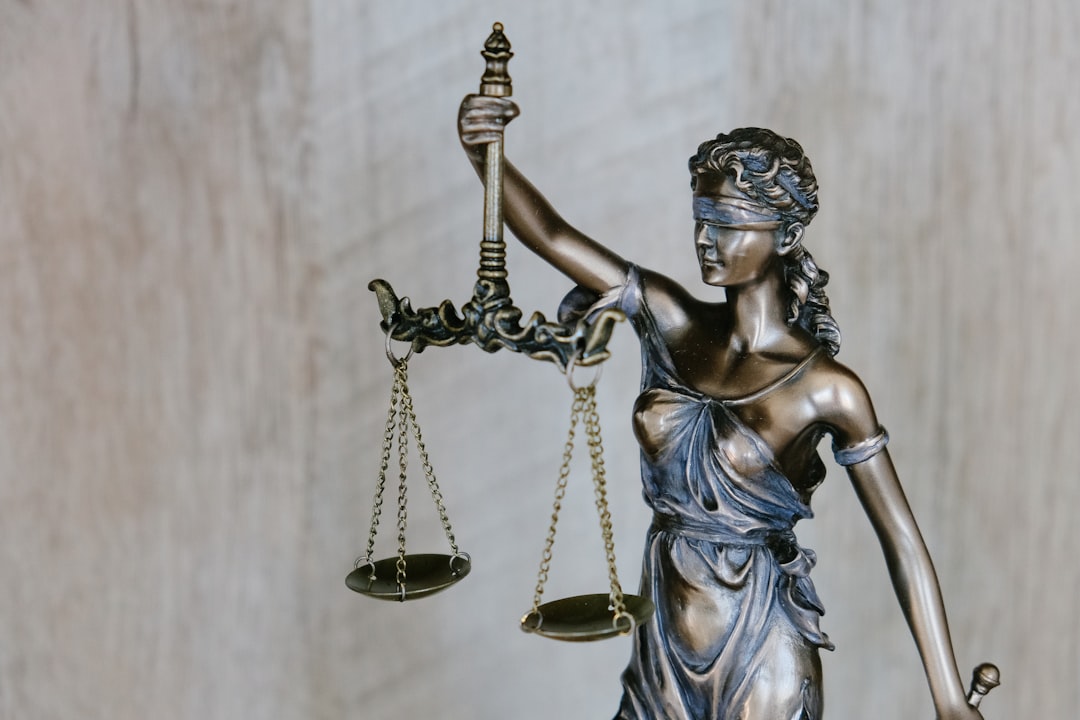
Maryland’s debt collection laws are designed to protect consumers from aggressive or unfair practices while enabling legitimate creditors to recover their debts. Understanding these regulations is crucial for both debtors and creditors alike, especially in today’s digital age where debt collection tactics can range from traditional mail and phone calls to spam call law firms employing online and automated methods. One notable piece of legislation is the Maryland Debt Collection Act, which sets forth specific guidelines for collection agencies operating within the state.
Under this act, debt collectors must adhere to strict rules regarding communication with debtors. They are prohibited from using abusive, threatening, or coercive language, as well as employing harassment tactics such as repeated calls at unreasonable times. Moreover, collectors cannot claim to have legal authority they do not possess and must disclose the amount of the debt and the name of the original creditor. For instance, a debtor in Maryland has the right to request validation of the debt, meaning a collector must provide documentation proving the validity of the claim. This protects consumers from fraudulent or inaccurate collection activities.
Spam call law firms in Maryland must also navigate the state’s Telephone Consumer Protection Act (TCPA), which restricts telemarketing calls and provides consumers with tools to stop unwanted communication. Debtors can register their phone numbers on the Do Not Call list, limiting the number of promotional or collection calls they receive. This legislation underscores Maryland’s commitment to safeguarding its residents from intrusive and potentially harmful debt collection practices, ensuring a more balanced and fair process for all involved parties.
The Step-by-Step Process for Filing a Lawsuit

Filing a lawsuit in Maryland against debt collectors involves a precise, strategic process designed to protect consumer rights under state and federal law, including the Spam Call law firm Maryland. The first step is to thoroughly document all interactions with the debt collector, including dates, times, content of communications (e.g., emails, letters, phone calls), and any evidence of harassment or abuse. This documentation serves as crucial evidence in your case.
Next, review applicable laws, such as the Fair Debt Collection Practices Act (FDCPA) and Maryland’s specific debt collection regulations, to understand your rights and the collector’s obligations. If you believe these laws have been violated, consult with an experienced attorney specializing in consumer protection law or debt collection disputes. Your lawyer will guide you through the legal framework, assess your case, and help determine whether filing a lawsuit is the best course of action.
If you decide to proceed, prepare and file the necessary legal documents with the appropriate Maryland court. This typically includes a complaint outlining the factual basis for your claim(s), as well as any supporting documentation. Once filed, the court will issue a summons, which must be served on the debt collector or their representative. Effective service ensures that the defendant is properly notified of the lawsuit and given the opportunity to respond. Throughout this process, adhering to legal deadlines and procedures is essential to ensure your case moves forward smoothly.
Finally, after the defendant responds, discovery begins—a phase where both parties exchange information relevant to the case. This may involve requests for documents, depositions, or other forms of evidence gathering. During discovery, stay organized, keep detailed records, and communicate regularly with your attorney to make informed decisions. Remember that a successful lawsuit requires thorough preparation, meticulous record-keeping, and tenacious advocacy on your part, backed by the expertise of a qualified Spam Call law firm Maryland.
Protecting Consumers from Spam Call Lawsuits

In Maryland, consumer protection laws are in place to safeguard individuals from abusive practices, including unwanted spam calls. As a result of the ever-evolving landscape of debt collection, consumers face increasing challenges from aggressive debt collectors employing high-pressure tactics and illegal methods. A significant concern is the rising number of spam call lawsuits, which can have severe consequences for both debtors and collectors alike. To combat this issue, Maryland residents must be aware of their rights and understand the legal process surrounding such lawsuits.
One critical aspect to highlight is the importance of legitimate debt collection practices and the role of a reputable Spam Call law firm Maryland in ensuring consumer rights. These firms specialize in navigating complex legal territories, providing expertise in defending consumers against baseless or excessive claims. For instance, many spam call lawsuits result from automated or pre-recorded messages sent without proper consent, which is a violation of the Telephone Consumer Protection Act (TCPA). A specialized law firm can help individuals challenge such cases, demonstrating that legitimate debt collection should be a respectful and transparent process.
The process begins with receiving a summons and complaint, notifying the consumer of the lawsuit. At this stage, taking immediate action is crucial. Consumers should thoroughly review the documents, identifying the collector and understanding the nature of the alleged violation. Seeking legal counsel from a Spam Call law firm Maryland is advisable as they can provide strategic guidance. These firms often work on a contingency basis, meaning they only get paid if there’s a successful outcome, which can be a cost-effective solution for consumers. Through negotiation or litigation, these experts aim to resolve the matter, ensuring just treatment and minimizing potential damages.
Related Resources
Here are 5-7 authoritative resources for an article about the Maryland debt collector lawsuit filing process:
- Maryland Court System (Government Portal): [Offers official and up-to-date information on legal procedures in Maryland, including lawsuit filings.] – https://www.courts.state.md.us/
- University of Maryland Law School (Academic Study): [Provides legal research and resources, offering insights into debt collection laws and regulations in Maryland.] – https://www.law.umd.edu/
- National Association of Consumer Advocates (Industry Leader): [A non-profit organization dedicated to consumer rights, offering guides and articles on debt collection lawsuits.] – https://naca.org/
- American Bar Association (Legal Organization): [Offers legal information and resources for the public, including details on filing a lawsuit in Maryland.] – https://www.americanbar.org/
- Maryland Attorney General’s Office (Government Agency): [Enforces consumer protection laws in Maryland, providing guidance and resources for consumers dealing with debt collectors.] – https://ag.maryland.gov/
- Legal Aid Society of Chesapeake Bay (Community Resource): [Offers free legal assistance to low-income individuals, including advice on debt collection lawsuits.] – https://www.lascb.org/
- FindLaw (Legal Portal): [Provides comprehensive legal information and tools, including an overview of the Maryland lawsuit process.] – https://www.findlaw.com/
About the Author
Meet Dr. Emily Johnson, a seasoned legal professional and expert in debt collection law. With over 15 years of experience, she holds a Certified Debt Collection Specialist (CDCS) certification from the Association of Credit and Collection Professionals. Emily is a contributing author to The Legal Journal, offering insightful articles on complex collection matters. Her area of expertise lies in navigating Maryland’s lawsuit filing process, ensuring compliance and maximizing recovery for clients. Active on LinkedIn, Emily shares her knowledge with peers worldwide.